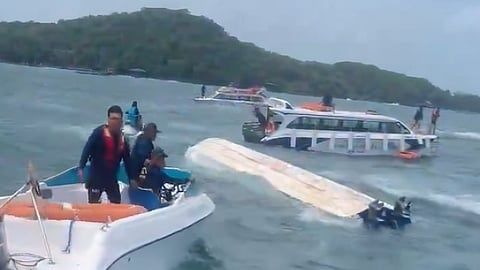
A catastrophic maritime accident unfolded off the coast of southern Vietnam on Saturday when a tourist speedboat carrying Indian visitors capsized, claiming 15 lives in what authorities describe as one of the deadliest recent incidents involving foreign tourists in the region. The boat went down roughly 400 metres from Hon May Rut Ngoai Island, situated near Phu Quoc, Vietnam's largest island and a major draw for international travellers.
The vessel was transporting 32 Indian tourists alongside four crew members on what should have been a routine return journey from an island excursion when it suddenly overturned, trapping numerous passengers below deck. The exact circumstances that led to the capsizing remain under investigation, though initial reports suggest many victims were unable to escape the rapidly flooding compartments. Vietnamese state media highlighted the harrowing nature of the rescue operation, noting that the entrapment of passengers significantly complicated efforts to save lives.
Initial rescue efforts came from nearby fishing and tourist boats whose crews immediately responded to the emergency, pulling survivors from the water before official rescue agencies arrived on the scene. The Vietnamese government mobilised multiple response units including border guards, navy personnel, coast guard teams and other emergency responders who coordinated efforts to locate remaining passengers and bodies. Despite these rapid interventions, the confined spaces within the speedboat prevented faster extractions of those trapped below.
Rescue teams ultimately recovered 21 surviving passengers from the water, though all 15 fatalities were located and retrieved. The injured survivors were transferred to local hospitals for medical treatment, though specific details regarding their conditions have not been disclosed. The comprehensive nature of the body recovery operation underscores the scale of the disaster and the extensive search efforts required.
Phu Quoc holds significant importance within Vietnam's tourism economy, functioning as one of the nation's premier beach destinations and a gateway for island-hopping adventures throughout the Gulf of Thailand region. The island's pristine white-sand beaches and crystalline waters attract millions of tourists annually, both domestic visitors and international travellers seeking tropical experiences. Hon May Rut island, situated approximately 10 kilometres south of Phu Quoc proper, has become increasingly popular with tour operators offering day trips and island-hopping packages to capitalise on the area's natural attractions.
This tragedy carries particular resonance for regional tourism operators who depend heavily on the safety reputation of their destinations. India maintains a substantial outbound tourism market, with Vietnamese attractions increasingly popular among Indian travellers seeking affordable and accessible tropical holidays. The incident raises fresh questions about safety standards and regulatory oversight for tourist boat operations in Southeast Asian waters, where enforcement of maritime safety protocols can sometimes lag behind international standards.
The accident occurs within a broader context of periodic maritime incidents affecting tourist operations throughout Southeast Asia. While modern boat tourism has generally improved safety standards compared to previous decades, isolated incidents continue to occur, often attributed to overcrowding, inadequate safety equipment, insufficient crew training or mechanical failures. Vietnamese authorities will be under considerable pressure to conduct a thorough investigation and implement measures preventing similar occurrences.
Phu Quoc's status as Vietnam's largest and most developed island destination means this incident will likely influence tourist confidence and travel decisions among Indian visitors and potentially other international markets. Tour operators throughout the region typically face reputational consequences following major accidents, with some clients cancelling bookings or redirecting holiday plans to perceived safer alternatives. The Vietnamese tourism industry, already facing competition from other Southeast Asian destinations, may experience short-term booking declines.
International relations dimensions may also emerge, as India's government and diplomatic channels typically engage with host countries following incidents involving Indian nationals. Families of the deceased will likely seek clarity regarding cause, responsibility and compensation. Vietnam's response to these diplomatic expectations, coupled with the findings of its formal investigation, could shape the trajectory of bilateral relations and India's tourism marketing within Vietnam.

