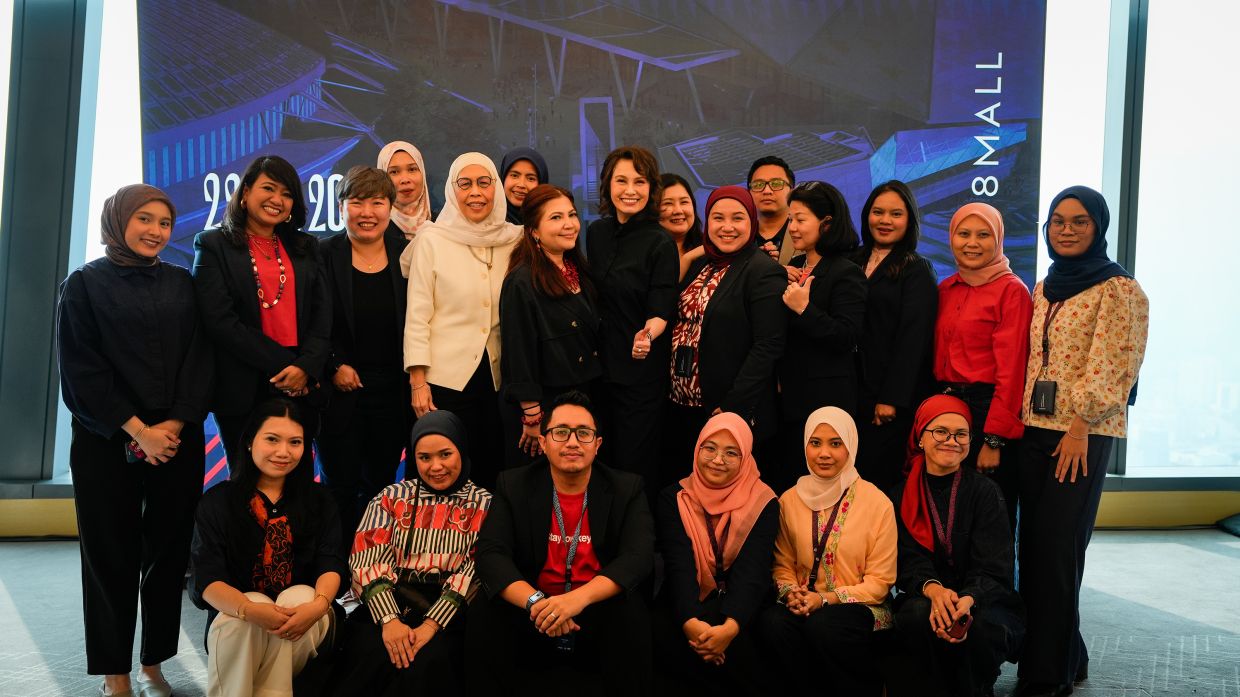
118 Mall has brought together more than 200 retail partners for its first major stakeholder gathering, laying groundwork for a landmark opening scheduled for November 2026. The event, hosted at Park Hyatt Kuala Lumpur, marked a significant milestone in the development of the 118 Mall and its integration within the broader Merdeka 118 precinct, according to an announcement from PNB Merdeka Ventures Sdn Bhd. The gathering united retailers spanning fashion, food and beverage, lifestyle and services sectors, reflecting the mall's ambitions to create a diversified shopping and entertainment destination in Malaysia's capital.
The retail lineup reveals the competitive positioning executives have charted for the property. Confirmed tenants include Village Grocer, Makanism Foodhall, and major international fashion brands such as adidas, ALDO, Converse, Foot Locker, Guess and Lacoste. Complementing these names are speciality retailers including Benjamin Barker, CHAGEE Signature, Best Denki, BookXcess and Babyshop, alongside an entire precinct dedicated to Malaysian Artisan District brands. This blend of established international players and curated local artisanal merchants signals a deliberate strategy to balance tourist appeal with community identity.
The seven-storey mall's competitive advantage lies not merely in its own retail offerings but in its embedded position within the Merdeka 118 ecosystem. Datuk Ir. Ts. Izwan Ibrahim, chief executive officer of PNB Merdeka Ventures, framed the property as a destination rather than a shopping centre, emphasising its role within an integrated precinct combining retail, hospitality, tourism, heritage and commercial uses. This architectural and commercial integration distinguishes 118 Mall from conventional shopping centres, creating a convergence point for multiple visitor streams that executives believe will sustain consistent footfall and spending patterns.
The visitor base management deserves scrutiny, as it underpins the entire commercial model. Rather than relying principally on foot traffic from surrounding residential areas, 118 Mall is engineered to capture tourists visiting Merdeka 118 attractions, guests staying at adjoining luxury hotels, corporate professionals working in the commercial towers, and the local community. This tripartite approach distributes commercial risk across distinct demographic cohorts with varying spending behaviours and frequency patterns, providing resilience against downturns in any single segment.
Projected traffic volumes underscore the scale of the ambition. Sue Wang, head of retail for 118 Mall, stated the property expects to welcome as many as 22 million visitors during its first operational year. For context, this forecast positions the mall among Malaysia's highest-traffic shopping destinations from inception, a projection that presumes successful execution of the broader Merdeka 118 precinct and sustained marketing investment. Achieving such visitor numbers would require consistent activation and brand presence well beyond typical retail operations.
The mall's scale reflects these expectations. With more than 300 retail outlets planned, the property will be substantially larger than several established Kuala Lumpur shopping centres, creating logistical and operational complexity. The inclusion of the Malaysian Artisan District as a dedicated zone within this ecosystem represents a deliberate curatorial choice, signalling to international retailers and visitors that the property celebrates local creative industries alongside global brands. This positioning appeals to the growing cohort of experience-seeking consumers and tourists interested in authentic local retail engagement.
Marketing and activation strategies communicated during the retailers' gathering outlined how the mall plans to drive sustained commercial momentum. Sue Wang highlighted upcoming promotional opportunities leveraging the mall's digital display infrastructure and dedicated event spaces for brand activations. These tools suggest a property designed for continuous engagement rather than passive transactional retail, mirroring trends in contemporary destination retail developments across Asia. The emphasis on shared marketing infrastructure indicates a collaborative commercial model where retailers benefit from centralised brand-building investments.
The timing of this inaugural retailers' gathering carries strategic significance. By convening partners now, some 18 months before opening, 118 Mall is establishing a united coalition and gathering early feedback on operational expectations, merchandise planning and promotional strategies. This advance engagement reduces the risk of retail partner misalignment or unmet expectations that could undermine opening momentum. It also provides executives with opportunities to address concerns and refine operational protocols before the property opens.
The Merdeka 118 precinct itself provides additional context for understanding 118 Mall's positioning. Located adjacent to the iconic Merdeka 118 tower in central Kuala Lumpur, the mall benefits from proximity to heritage attractions, corporate headquarters and tourism infrastructure. This location has become increasingly competitive as other major shopping districts modernise and new retail formats emerge. Positioning 118 Mall as the retail and hospitality heart of a mixed-use precinct rather than as a standalone shopping centre reflects contemporary retail real estate trends emphasising integration and experiential value.
For Malaysian consumers and retailers, the November 2026 opening represents a significant new entry into the capital's competitive retail landscape. The property's emphasis on both international brands and local artisanal producers creates opportunities for emerging Malaysian designers and merchants to access premium retail space alongside established players. The integrated precinct model may also establish a template for future mixed-use developments in Southeast Asia, particularly as urban retail markets continue evolving beyond traditional shopping centre formats.
The executives' confidence in the 22 million annual visitor projection warrants examination, as it substantially exceeds typical shopping centre performance benchmarks. Success will depend on effective execution of the wider Merdeka 118 development, sustained tourism flows, hotel occupancy rates and corporate activity in adjacent towers. Any delays or underperformance in these complementary components could materially impact the mall's traffic assumptions and, consequently, retail partner performance expectations. The retailers assembled at Park Hyatt Kuala Lumpur will be closely monitoring progress toward these shared objectives.

