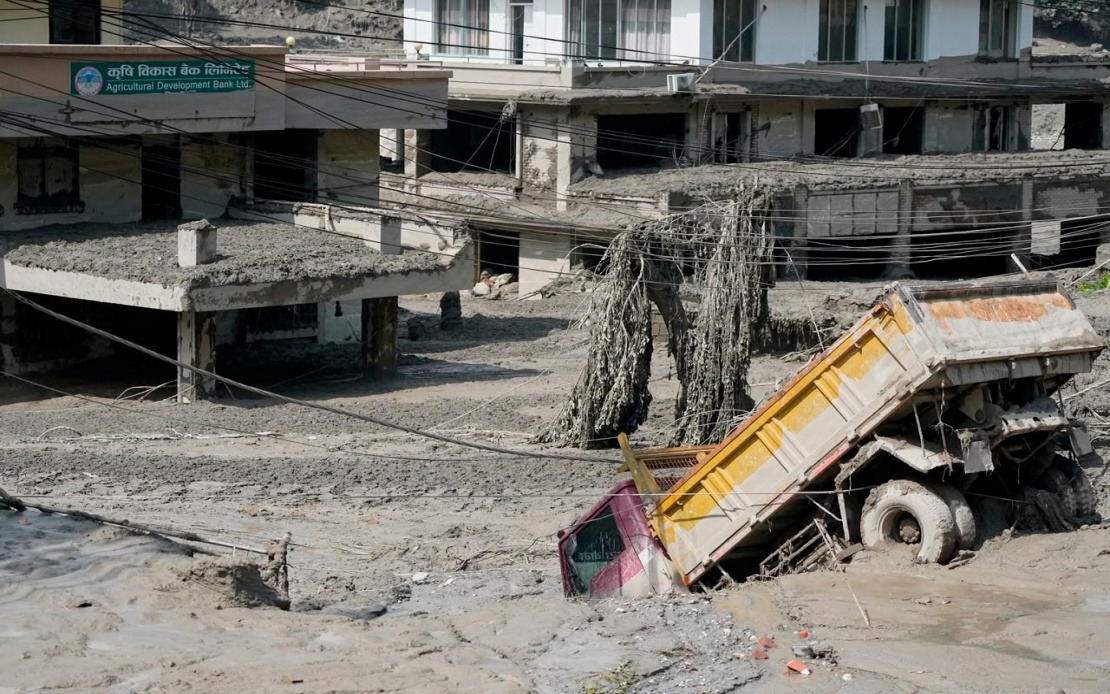
Eleven Malaysian citizens have lost contact with authorities following massive flooding that struck Nepal's Rasuwa district, prompting the Malaysian Foreign Ministry to activate diplomatic and rescue coordination channels. The loss of communication stems primarily from widespread damage to telecommunications infrastructure and electrical systems caused by the disaster, making immediate verification of the missing individuals' status difficult. The reports of missing Malaysians came through travel agencies operating in the affected region, indicating that at least some of those unaccounted for were tourists rather than permanent residents.
The Embassy of Malaysia in Kathmandu has initiated active coordination with Nepalese government authorities and search and rescue teams currently deployed across the disaster zone. This represents a standard diplomatic response to crisis situations affecting Malaysian nationals abroad, though the scale and severity of the flooding presents significant logistical challenges. The embassy's engagement with local authorities is crucial given that Nepalese rescue services are already stretched managing the broader humanitarian emergency across multiple affected communities.
The triggering event occurred on Wednesday morning when a devastating flash flood swept through the Bhote Koshi River area in Rasuwa district, a popular trekking and tourism destination in Nepal's mountainous north. The torrent destroyed local markets, residential settlements, and critical infrastructure, creating widespread displacement and complicating rescue operations. Such geological and meteorological events are not uncommon in the Himalayan region during monsoon season, though their intensity and destructive capacity can exceed preparation and response capabilities of local communities and authorities.
For Malaysian travellers and residents in Nepal, the incident underscores the importance of maintaining updated contact information with Malaysian diplomatic missions. Wisma Putra has advised all Malaysians in or transiting through Nepal—particularly those in proximity to flood-affected areas—to remain alert and strictly observe safety directives issued by Nepalese local authorities. This guidance reflects the ministry's concern that additional Malaysians may be in vulnerable locations without yet being identified as at-risk.
The Foreign Ministry has specifically encouraged Malaysians to register their details through the e-Konsular portal, an online system designed to maintain current contact information for citizens abroad. Regular updates to this registration system enable embassies and consulates to quickly locate and communicate with nationals during emergencies. The portal represents a modern innovation in consular protection, allowing Malaysians to proactively notify their government of their whereabouts and remain connected to diplomatic assistance networks.
For immediate assistance, Malaysian nationals can reach the Kathmandu Embassy through multiple channels reflecting the urgency of the situation. General inquiries reach the embassy at telephone numbers +977 1 544 5680 or +977 1 544 5681, while consular matters are handled specifically at +977 1 544 5689. An emergency helpline designated +977 980 100 8000 operates for time-critical situations, and email contact [email protected] provides an alternative communication method. These diversified contact mechanisms acknowledge that different communication channels may function intermittently during infrastructure disruptions.
The scale of the flooding and the involvement of Malaysian nationals reflects broader patterns of Southeast Asian tourism in Nepal. Popular trekking routes and cultural attractions draw thousands of regional visitors annually, many undertaking expeditions during favourable weather windows that often coincide with Nepal's monsoon season. This creates inherent tension between tourism operations and seasonal natural hazards, a challenge that affects not only Malaysian visitors but citizens from across the region.
Wisma Putra has committed to closely monitoring developments and providing updated information as verified details regarding the missing Malaysians become available. This phased information release approach reflects both the genuine uncertainty surrounding the situation and the diplomatic practice of confirming facts before public announcement. The ministry will likely coordinate with the Nepalese government on casualty and damage assessments as rescue operations progress.
The incident demonstrates the vulnerability of travellers to natural disasters in mountainous regions and the importance of travel insurance, emergency contact protocols, and awareness of seasonal weather patterns. Malaysian citizens planning travel to Nepal, particularly to trekking regions like Rasuwa district, should register with their embassy, maintain communication with family and travel companions, and monitor weather warnings. The Foreign Ministry's multi-channel response framework—combining embassy coordination, rescue team liaison, public advisories, and dedicated contact mechanisms—represents Malaysia's institutional capacity to respond to overseas crises affecting its nationals.

