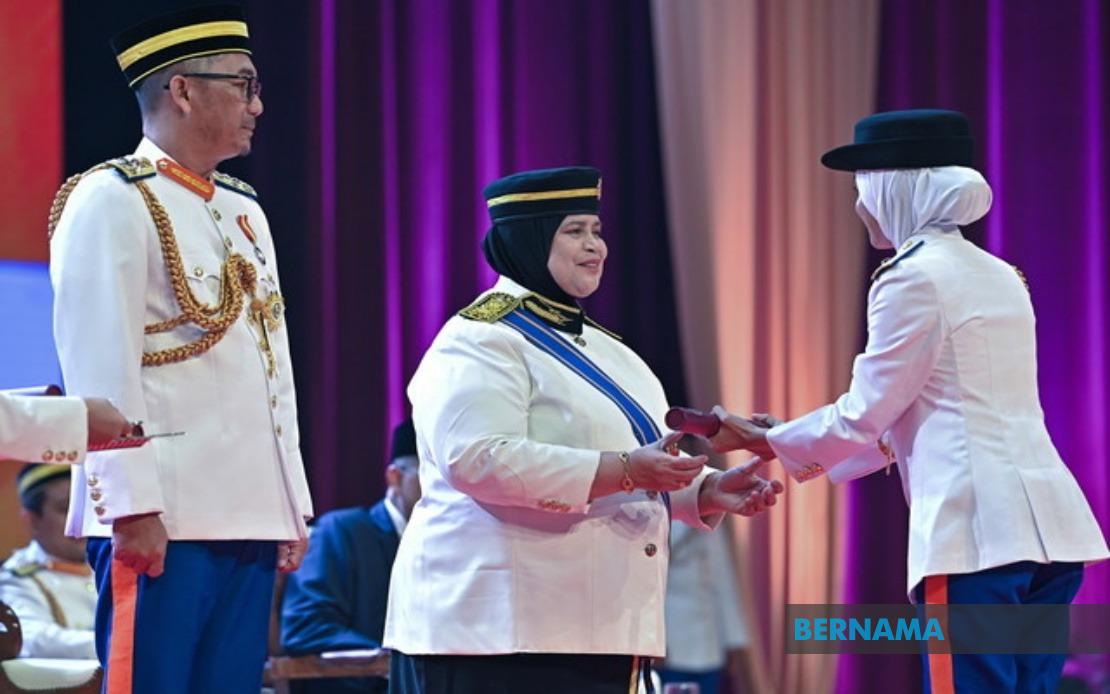
Over 1,100 cadets from the Civil Defence Student Corps, known as Kor SISPA, will become the first recipients of a newly approved allowance scheme beginning this month, marking a significant milestone in government efforts to recognise student contributions to national disaster preparedness and safety. The initial intake encompasses members from 36 higher learning institutions nationwide, representing the culmination of advocacy for improved welfare provisions within the voluntary civil defence movement. Deputy Minister of Rural and Regional Development Datuk Rubiah Wang, who also serves as Civil Defence honorary commissioner, announced the development during the 17th National Kor SISPA Commissioning Ceremony at Universiti Pendidikan Sultan Idris in Tanjong Malim, where she represented Deputy Prime Minister Datuk Seri Dr Ahmad Zahid Hamidi.
The allowance structure reflects a differentiated approach based on educational qualifications and service hours. Students holding bachelor's degrees will receive RM9.80 per hour for their civil defence duties, whilst diploma holders receive RM8 per hour. This tiered system represents government recognition of varying levels of professional qualification within the cadet corps. The inaugural phase carries a fiscal commitment estimated at RM500,000, establishing a budgetary framework for the rollout process. Rather than distributing payments simultaneously across all qualified cadets, the government has adopted a phased implementation strategy intended to manage administrative burden and allow for programme refinement.
Rubiah characterised the allowance initiative as more than symbolic bureaucratic action, emphasising that welfare improvements for Kor SISPA members have transitioned from theoretical discussion into concrete execution. Her remarks underscore government determination to translate policy commitments into tangible benefits for student volunteers. The Deputy Minister signalled that the administration intends to pursue additional fiscal mechanisms to broaden the scheme's reach, suggesting that initial payment phases represent a foundation for eventual expansion benefiting substantially larger portions of the cadet population.
The underlying rationale for the allowance centres on encouraging participation in civil defence programmes and equipping students with practical experience in public safety operations. Beyond the narrow framing of disaster response, Kor SISPA members engage in year-round community support activities spanning university-based events and external campus engagements. This expanded conception of civil defence work acknowledges that student volunteers provide consistent service infrastructure essential to Malaysia's disaster management architecture, extending well beyond reactive emergency scenarios. By formalising compensation for these contributions, the government recognises the sustained commitment demanded of cadet participants.
Kor SISPA's institutional history demonstrates the programme's entrenchment within Malaysian higher education. Established in 2010, the initiative has expanded across universities, polytechnics, and teacher training colleges, producing 11,802 graduates over its operational span. This substantial alumni base reflects the programme's successful integration into institutional frameworks nationwide. The accumulation of trained personnel signals both programme viability and growing recognition of civil defence training's importance within tertiary education ecosystems. The allowance scheme represents logical progression toward formalising this institutional relationship through direct financial acknowledgement.
The payment structure based on duty hours rather than flat stipends introduces flexibility within the compensation framework. Students undertaking varying levels of engagement receive proportional remuneration, aligning payments more closely with actual service contributions. This methodology avoids flat-rate systems that might inadequately compensate highly engaged volunteers or overpay minimally involved members. The hourly mechanism also permits straightforward administrative processing and transparent calculation methodologies, reducing bureaucratic complications in disbursement procedures. For student participants, the clarity regarding payment calculations enhances programme transparency and strengthens perceptions of governmental fairness.
From a Malaysian public policy perspective, the allowance approval reflects broader recognition of volunteerism's role in emergency management infrastructure. Unlike some nations relying predominantly on professional emergency services, Malaysia's disaster response architecture substantially depends on civilian volunteer networks. Student participation through Kor SISPA channels youthful energy and educational commitment toward critical national functions. Formalising compensation acknowledges this structural dependency whilst simultaneously incentivising fresh cohorts to engage in civil defence training. The scheme positions the government as valuing student contributions to collective safety, potentially enhancing civic participation across multiple domains.
Regional implications warrant consideration within Southeast Asia's contemporary disaster landscape. As climate change increases typhoon severity and flooding frequency across the region, nations increasingly invest in volunteer disaster response networks. Malaysia's allowance scheme may signal regional trends toward recognising and compensating volunteer emergency personnel. Neighbouring countries confronting similar environmental pressures might observe Malaysia's approach as a policy model for incentivising youth participation in national defence mechanisms. The scheme thus transcends domestic administrative implementation, potentially influencing disaster management strategies across the broader region.
The forthcoming commissioning ceremony scheduled for Universiti Sultan Zainal Abidin next year indicates programme continuity and geographic expansion within the institutional network. Successive annual commissioning events reinforce Kor SISPA's ceremonial legitimacy whilst providing visibility to government commitment toward civil defence education. These formal occasions transform abstract policy commitments into communal celebrations of student achievement, strengthening cadet morale and institutional pride. The rotation of commissioning venues across different institutions ensures geographic representation and prevents centralised perception of the programme.
Looking forward, the government's acknowledgment of fiscal constraints and commitment to exploring expanded funding mechanisms suggests realistic appreciation of resource limitations. Rather than promising unlimited expansion, officials emphasise incremental growth contingent on available resources. This measured approach avoids overstated commitments that might subsequently disappoint cadet expectations. Simultaneously, government signals genuine intent to develop the scheme progressively, indicating this represents not isolated charity but foundational policy architecture susceptible to systematic enhancement.

